

Categories
- Case & News (50)
- Blog (605)
A concrete batching machine, also known as an aggregate batching machine or concrete batcher, is a key piece of equipment used for storing, measuring, and conveying various sand and gravel aggregates. According to a pre-set formula, the concrete batching machine automatically measures and conveys various sand and gravel aggregates into the mixer, where they are mixed with cement, fly ash, mineral powder, additives, water, etc., to form concrete, thereby improving production efficiency and ensuring the accuracy of batching.
A concrete batching machine consists of a raw material storage hopper and a weighing hopper. It utilizes the gravity flow of materials for batching, resulting in a fast batching speed. It is suitable for small, medium, and large-scale concrete mixing plants, for example, the HZS series concrete batching plants typically use this type batching machine.
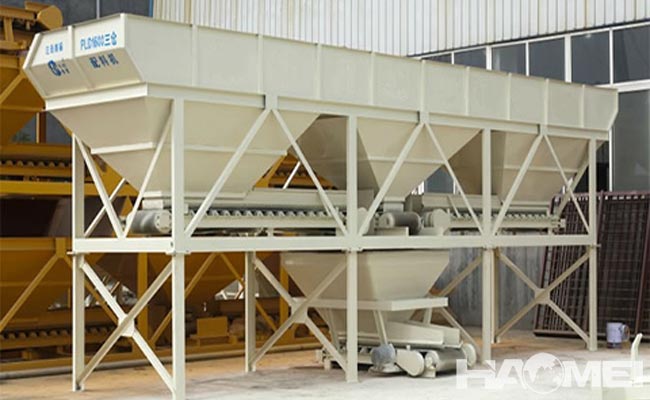
Structural components of a concrete batching machine:
– Storage hopper:
Used to store aggregates such as sand and gravel, it generally consists of a front plate, rear plate, partitions, and side plates, and is made of steel, providing high strength and stability.
– Feeding device:
Usually in the form of a belt conveyor or pneumatic valve, located below the storage hopper, responsible for conveying the material from the storage hopper to the weighing hopper.
– Weighing hopper:
Used for weighing and measuring materials. The weight of the material is measured by a weighing sensor installed below it. Each storage bin corresponds to one weighing hopper, allowing for individual weighing of various aggregates.
– Discharge belt conveyor:
Installed below the weighing hopper, the discharge belt conveyor transports the batched material to the concrete mixer after batching. It is typically a trough belt conveyor driven by rubber-coated rollers.
– Electrical control system:
The core component of the concrete batching machine, mainly composed of a batching controller and a high-voltage circuit. It realizes the weighing, display, operation, and completion of various automatic batching programs of the entire batching machine.
Working principle of concrete batching machine in a concrete batching plant:
First, a loader or belt conveyor feeds materials such as sand and gravel into the respective storage hoppers. The operator inputs the formula data of various materials through the batching controller according to the concrete mix proportion requirements. After starting the batching program, the feeding device transports the material from the storage hoppers to the weighing hopper. When the weight of the material in the weighing hopper reaches the set value, the feeding device automatically stops. Once all materials are prepared, press the discharge button. The discharge conveyor belt will start, unloading the prepared dry concrete into the concrete mixer hopper. After discharge, the discharge conveyor belt will automatically stop and begin the next batching cycle.
Performance characteristics of concrete batching machine:
– High batching accuracy:
Employing an electronic weighing system and high-precision weighing sensors, the batching accuracy can typically be controlled within ±2%, and it features automatic calibration and automatic drop correction functions.
– High automation:
Capable of fully automatic control, it can switch between automatic, semi-automatic, and manual operating modes, offering convenient and flexible operation. Fully microcomputer-controlled, it features automatic moisture content compensation.
– High production efficiency:
The rationally designed storage and weighing hoppers ensure fast discharge speed, and the high conveying capacity of the discharge conveyor belt can meet the high-output demands of large construction sites or precast concrete plants.
How to select right concrete batching machine?
– Production capacity:
Based on the production scale and output requirements of the concrete mixing plant, select a suitable batching machine model, such as PLD3200 or PLD4800. Their production capacity generally ranges from tens to hundreds of cubic meters per hour.
– Batching accuracy requirements:
For projects with high concrete quality requirements, such as bridges and high-rise buildings, batching machines with higher batching accuracy are needed.
– Material type and characteristics:
Consider the type, particle size, moisture content, and other characteristics of the materials being processed to select a suitable hopper type, feeding device, and discharge method.
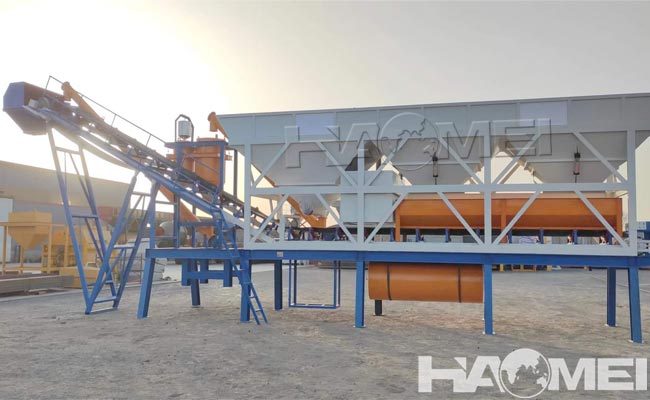 China Dry Mix Concrete Batching Plants
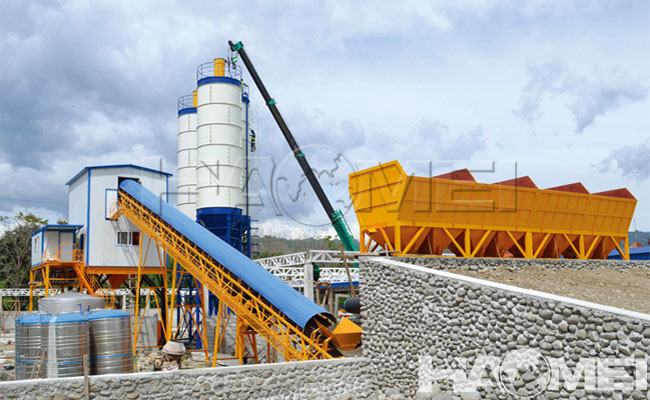 90m3/h Belt Conveyor Concrete Batching Plant
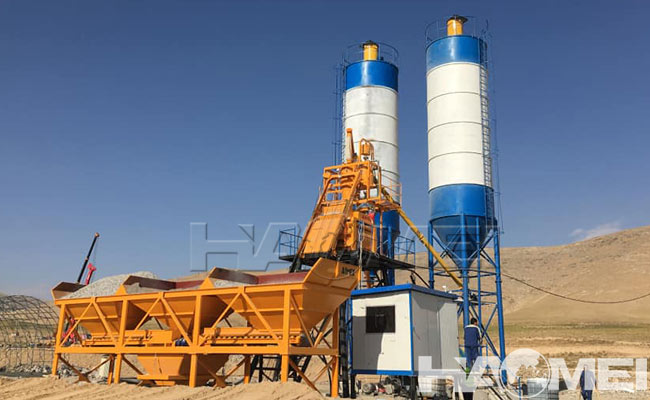 How Much Does Mini Concrete Batching Plant Cost?
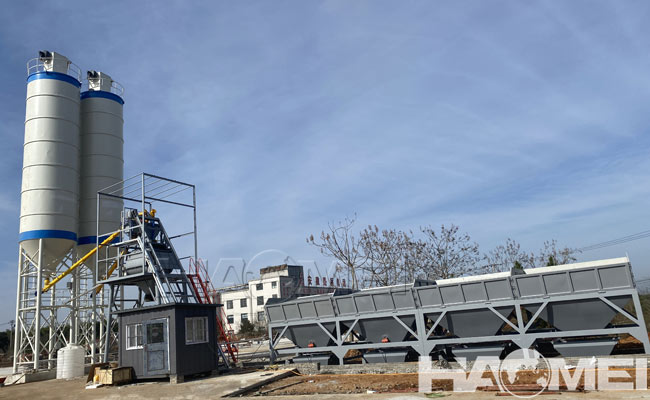 50m3/h Precast Concrete Batching Plant
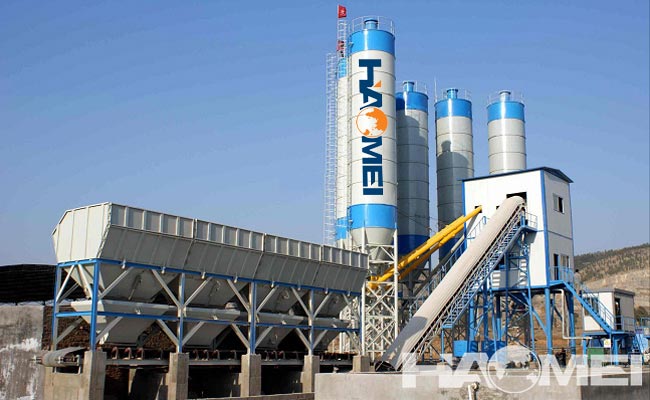 Dust Collector Options For Concrete Mixer Plants