

Categories
- Case & News (50)
- Blog (611)
Concrete mixer spare parts refer to the parts and components that may need to be replaced or repaired during the operation and maintenance of the concrete mixer. These spare parts not only play a crucial role in operational reliability but also incorporate advanced technologies to improve efficiency, safety, and service life.
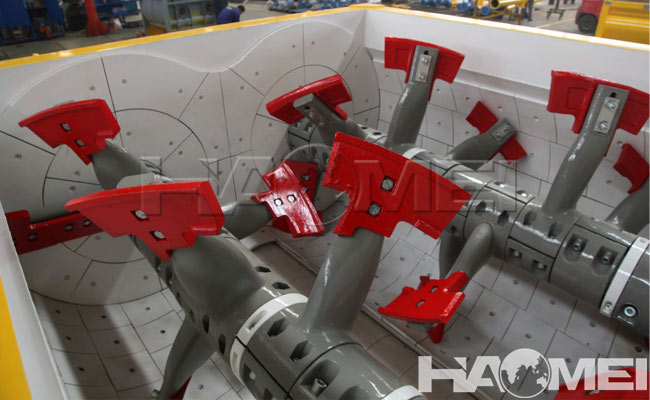
As a manufacturer of concrete mixers, we have extensive experience in production and export. Our concrete mixers spare parts generally include the following:
1. Core mixing components
Mixing blades:
As a key component directly involved in material mixing, mixing blades are typically made of wear-resistant materials, such as high-chromium alloys. Their design ensures uniform mixing while minimizing wear and dust adhesion. Wear-resistant blades must be replaced promptly to maintain mixing efficiency and quality.
Mixing arm:
This component connects the mixing blades to the mixing shaft, responsible for transmitting power and supporting the blades during mixing. The mixing arm must possess sufficient strength and rigidity to withstand the various forces generated during mixing.
Liners:
Wear-resistant plates installed on the inner wall of the concrete mixer to protect the mixer casing from material wear. Liners are typically made of wear-resistant cast iron or alloy materials, and their shape and size must fit tightly against the inner wall of the concrete mixer.
2. Transmission and support components
Screw shaft assembly:
Includes left- and right-handed screw shafts, bearing seats, bearing sleeves, bearing covers, gears, sprockets, etc. The screw shaft assembly is the core transmission component of the twin-shaft concrete mixer, responsible for transmitting power to the mixing blades to achieve material mixing and conveying. Its manufacturing precision requirements are high, ensuring strict fit between all components.
Shaft end seals:
Key components used to prevent material leakage and the entry of external impurities into the concrete mixer. Shaft end seals typically employ a combination of labyrinth and packing seal structures, providing a double sealing effect and effectively extending the concrete mixer’s service life.
3. Auxiliary functional components
Water humidification piping:
Includes pipes, connectors, and nozzles, responsible for adding water to the concrete mixer to regulate material humidity. Nozzles are typically stainless steel atomizing cone nozzles, forming a uniform water curtain to facilitate material humidification and mixing.
Discharge gate cylinder:
Component that controls the opening and closing of the concrete mixer’s discharge gate. The discharge gate cylinder must possess sufficient thrust and stability to ensure a smooth and unobstructed discharge process.
Electrical control system:
This includes components such as motors, reducers, sensors, and controllers, responsible for the power drive and automated control of the concrete mixer. The electrical control system must have reliable performance and stable operation to ensure the concrete mixer functions normally under various working conditions.
4. Other wear parts and consumables
Lubricating oil cup:
This component is used to add lubricating oil to various lubrication points of the mixer. The lubricating oil cup needs to be checked and the lubricating oil replaced regularly to ensure good lubrication between the various components of the concrete mixer.
Inspection hole cover:
An openable cover installed on the concrete mixer housing for easy inspection and maintenance by operators. The inspection hole cover must have sufficient strength and sealing performance to ensure no leakage occurs during mixer operation.
Equipping high-quality, technologically advanced concrete mixer spare parts can increase mixing efficiency, reduce downtime, and bring significant long-term benefits to concrete production. Regularly checking and replacing these spare parts during the maintenance and upkeep of the concrete mixer can extend the service life of the equipment and ensure its efficient operation.
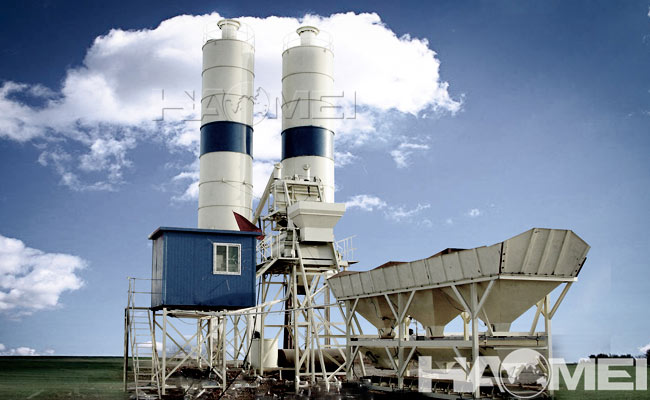 Concrete Batching Plant With Compact Structure
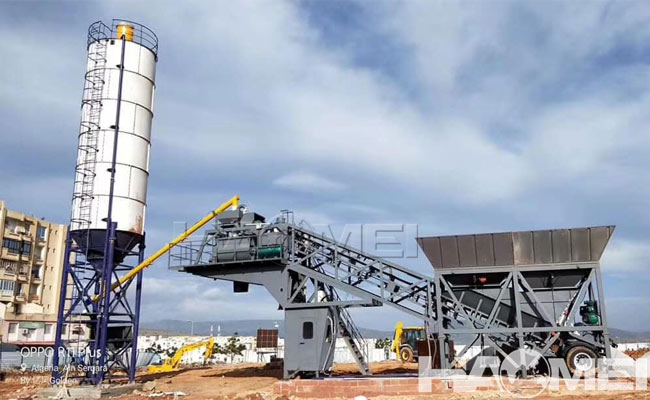 Small Mobile Batching Plant Price in 2026
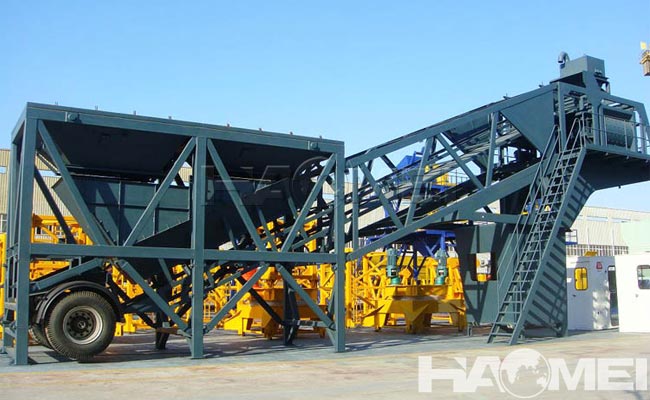 Portable Concrete Plant Price
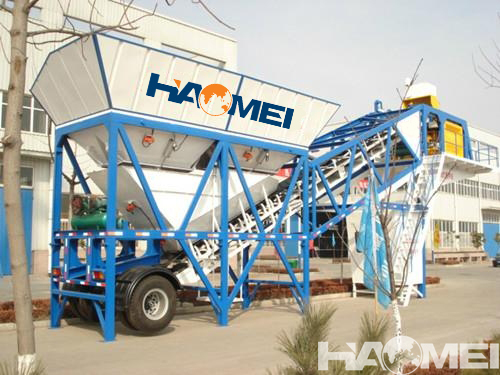 Mobile Compact Concrete Batching Plants
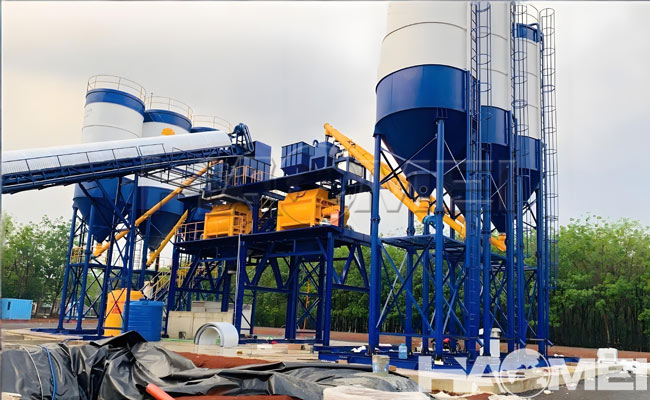 Wet Type Concrete Batching Plant