

Categories
- Case & News (50)
- Blog (608)
In the construction of a concrete batching plant, the concrete foundation above the site is the core prerequisite for the installation and stable operation of the entire equipment. It is the “invisible cornerstone” hidden beneath the equipment, supporting the entire concrete batching plant’s operation. Based on Haomei Machinery’s many years of experience in concrete plant construction and equipment export, we deeply understand that the quality of the foundation directly determines the operational safety and service life of the batching plant. Especially considering the different geological conditions in various overseas regions, scientific and standardized foundation construction can effectively avoid potential hazards such as equipment tilting and frequent malfunctions later on, laying a solid foundation for the long-term efficient operation of the concrete batching plant. Its importance runs through the entire process of plant construction and operation.
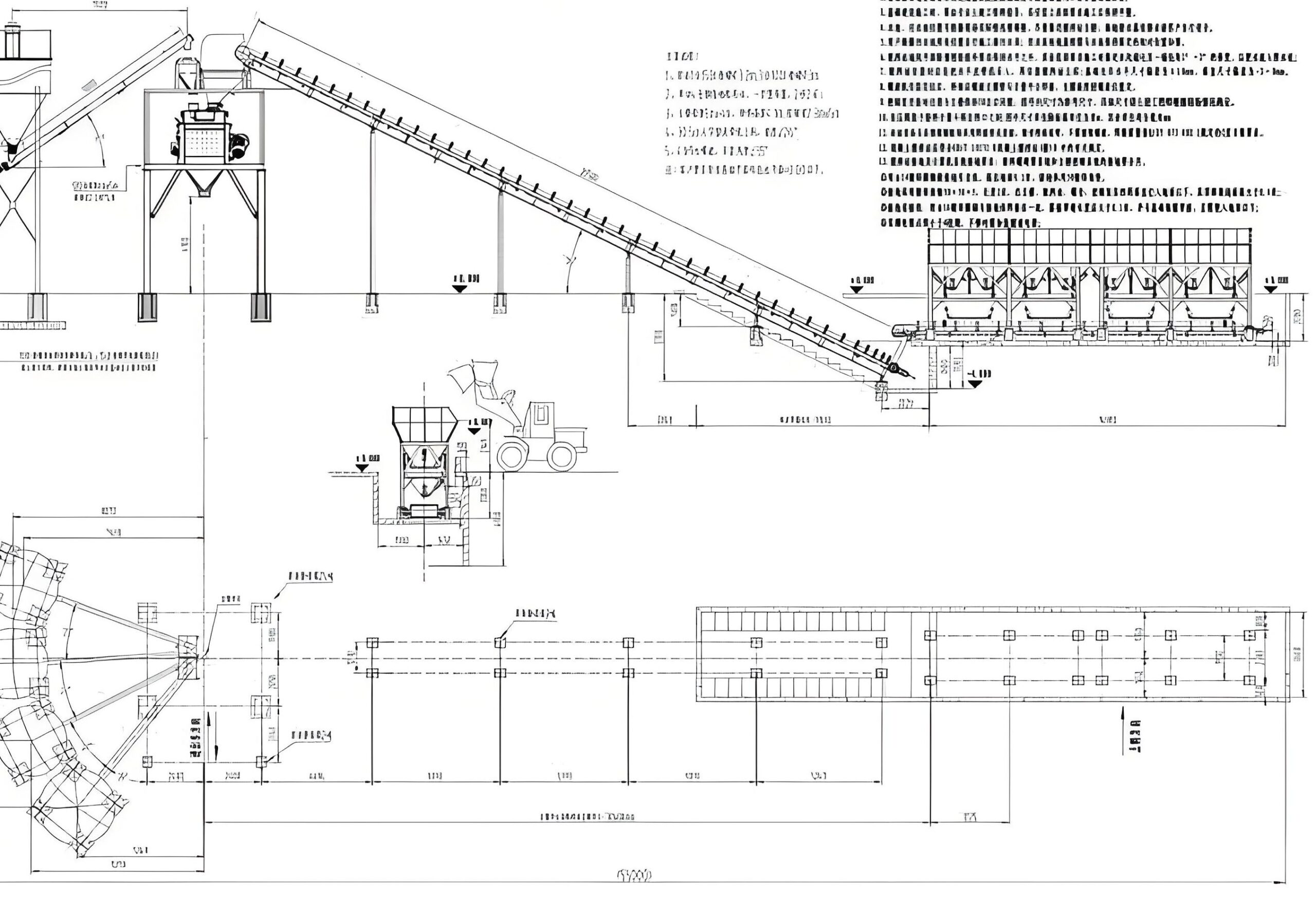
The core role of the concrete batching plant foundation always revolves around three core aspects: “bearing capacity, stability, and protection,” aligning with the needs of site installation and equipment operation.
Firstly, it bears the total weight of the equipment and distributes the operating load. The core equipment of a concrete batching plant, including the main unit, batching machine, cement silo, bucket elevator, or belt conveyor has a large total weight and generates continuous vibration during operation. The concrete foundation needs to be designed with appropriate thickness and structure to evenly distribute the overall weight and vibration load of the equipment to the underground soil layer, preventing excessive localized stress that could lead to foundation settlement and cracking. This, in turn, prevents equipment tilting, component wear, and ensures normal equipment operation.
Secondly, it ensures installation accuracy and stable production quality. The flatness and firmness of the foundation directly determine the accuracy of equipment installation, especially for the metering system and the mixing unit. If the foundation shifts, settles, or vibrates excessively, it will lead to deviations in batching and uneven mixing, directly affecting the quality of the finished concrete and delaying overseas project progress.
Thirdly, it protects equipment and the site, reducing operation and maintenance costs. A qualified concrete batching plant foundation can effectively isolate underground moisture and water accumulation, preventing corrosion of the equipment base. It also resists the erosion of the site by extreme weather such as tropical rainstorms and strong desert winds, preventing foundation collapse, extending equipment lifespan, reducing manpower and material costs for overseas operation and maintenance, and ensuring the personal safety of operators.
Taking into account the geological characteristics of different overseas regions (such as sandy soil, clay, and saline-alkali land) and the construction requirements of the concrete mixing plant, the construction of the concrete foundation must strictly adhere to five core requirements to ensure that the foundation is suitable for the site and supports the equipment.
First, the bearing capacity must be precisely met. A specialized design must be carried out based on the total weight of the equipment, the operating vibration load, and the local soil bearing capacity to ensure that the foundation bearing capacity is not less than the maximum load of the equipment during operation. Overseas projects must additionally consider natural factors such as earthquakes, heavy rains, and freeze-thaw cycles to avoid settlement and cracking due to insufficient ground strength.
Second, flatness and levelness must be strictly controlled. The horizontal error of the foundation surface must be controlled within 3mm, and the surface must be ground smooth to prevent tilting after equipment installation, which would affect the accuracy of metering and mixing, and meet the production requirements of high-standard overseas projects.
Furthermore, durability and protection must meet standards. The foundation concrete strength grade should be no less than C30, and the pouring thickness should be determined based on the equipment weight and geological conditions (generally no less than 200mm). Simultaneously, anti-corrosion, moisture-proof, and crack-proof treatments are required, especially suitable for harsh site environments such as high temperature and humidity, and saline-alkali land overseas, preventing problems such as corrosion, cracking, and sandblasting of the foundation, thus extending its service life.
Fourthly, it must be compatible with equipment installation requirements. During foundation pouring, holes for equipment installation and embedded bolts must be precisely reserved, and their positions and dimensions must perfectly match the equipment parameters, with an error not exceeding 2mm. This avoids later installation difficulties or abnormal equipment operation, reducing rework costs in overseas construction.
Finally, it must meet site drainage requirements. The foundation design must include a drainage slope and proper drainage ditches to prevent rainwater accumulation and soaking of the foundation, preventing softening and collapse. It must also comply with local construction specifications and environmental protection requirements, and construction waste must be properly disposed of.
While exporting concrete batching plant equipment, Haomei Machinery consistently provides overseas clients with professional foundation design and construction guidance. We customize foundation solutions based on the geological conditions of different countries, specifying details such as pouring thickness, strength standards, and pre-embedded requirements to help clients avoid common pitfalls in foundation construction. The concrete foundation is the “first step” in building a concrete batching plant. Only by establishing a solid foundation can the batching plant operate stably and efficiently, providing reliable concrete support for overseas infrastructure projects. This is the core thinking and practical principle we have adhered to for many years in the industry and serving overseas clients.
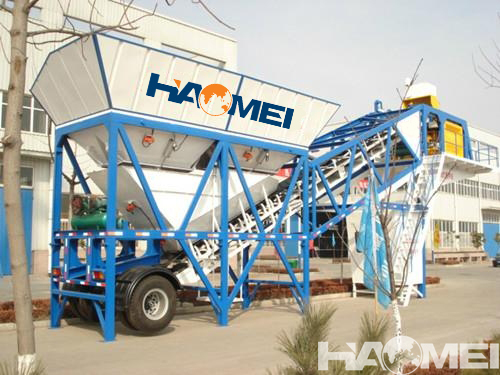 Mobile Compact Concrete Batching Plants
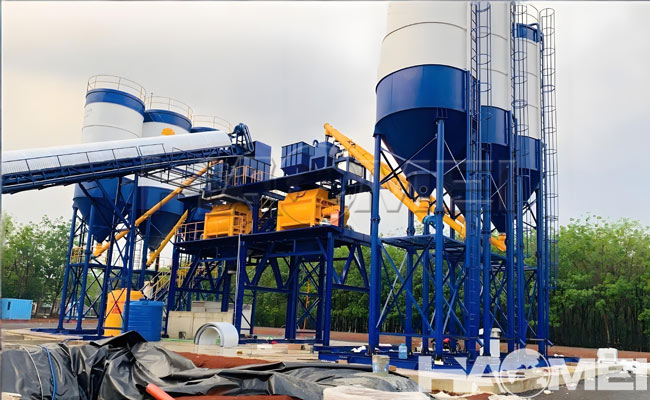 Wet Type Concrete Batching Plant
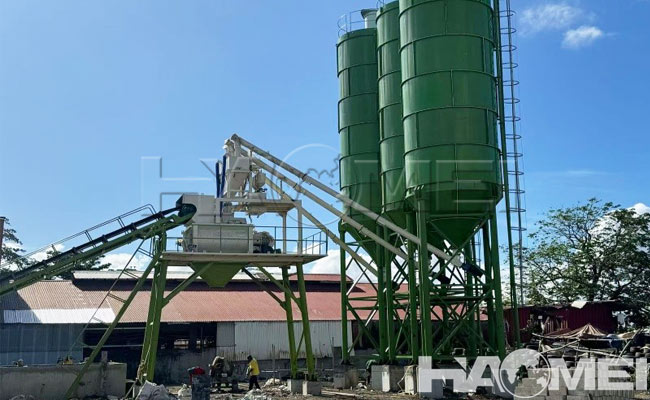 Mini Wet Mix Concrete Batching Plants
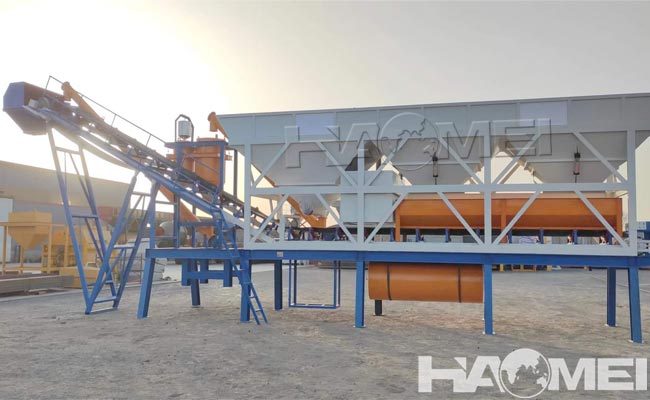 China Dry Mix Concrete Batching Plants
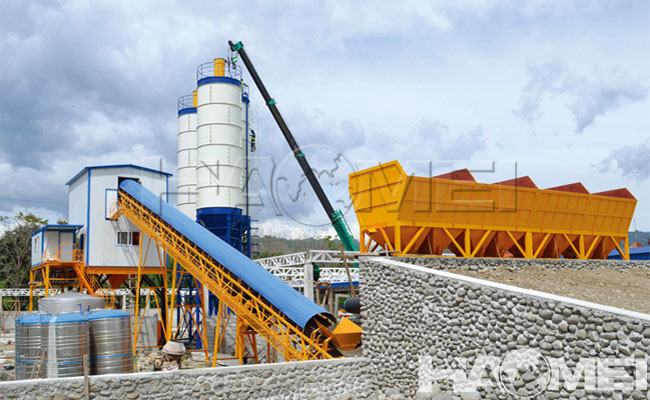 90m3/h Belt Conveyor Concrete Batching Plant