

Categories
- Case & News (50)
- Blog (616)
Having been engaged in the export of concrete equipment for over ten years, the question I’m most frequently asked by overseas clients is always, “How much does a portable batching plant cost in USD?” However, many clients are unaware that the portable concrete plant price difference between different manufacturers for equipment with the same nominal capacity can reach 20%-30%, which cannot be simply explained by “higher or lower cost-effectiveness.” As a professional in Haomei Machinery, today I’ll dissect the price truth of portable batching plants from an industry insider’s perspective, helping clients understand the intricacies behind the pricing and avoid procurement pitfalls.
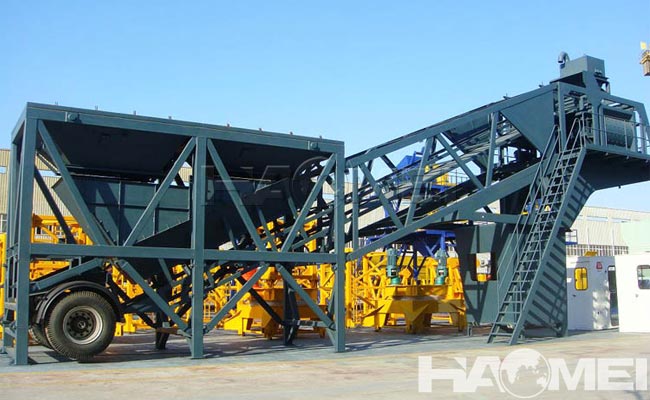
First, based on the standard FOB configuration at Chinese ports in 2026, including a twin-shaft forced mixer, aggregate batching system, basic weighing unit, PLC control system, and standard dust removal, for a standard model, divided into three tiers based on capacity. Entry-level 25-35 m3/h portable concrete plants are priced between $38,000 and $53,000, suitable for small, scattered projects; mainstream 50-60 m3/h portable concrete plants are priced between $58,000 and $88,000, the main choice for overseas municipal infrastructure projects; heavy-duty portable concrete batching plants with a capacity of 90 m3/h are priced between $98,000 and $135,000, suitable for medium-sized, large-scale construction projects. Standard models from all compliant manufacturers generally fall within this range; significant price deviations likely indicate reduced configurations or services.
There are three main reasons for these portable concrete plant price differences, which are also common low-price tactics in the industry.
Firstly, core components are downgraded, the most insidious cost-cutting method. Replacing generic brands with off-brand mixers can reduce the cost per unit by $5,000-$8,000; replacing high-manganese steel with ordinary steel liners reduces costs by 30% but reduces lifespan by less than half; replacing high-precision brands with low-end weighing sensors results in substandard metering accuracy, directly impacting concrete quality.
Secondly, there’s the trap of bare-bones pricing. Many low-priced quotes only include the main frame, excluding essential components like cement silos, screw conveyors, and dust collectors. Customers must purchase these separately later; a single 50-ton cement silo can cost $8,500-$12,500, often resulting in a final cost more than 20% higher than the initial quote.
Thirdly, there’s the reduction in service costs. Reputable manufacturers complete the entire machine’s commissioning before shipment, providing overseas installation guidance and spare parts support. This cost accounts for about 5%-8% of the equipment price. Smaller manufacturers offer no commissioning or after-sales service; customers have to install the equipment themselves after it arrives at the port, often delaying the project by ten days or more, resulting in losses far exceeding any savings.
I firmly believe that purchasing portable concrete batching plants overseas is never about “the cheapest is always the best deal.” Calculating the total lifecycle cost is far more important than worrying about a few thousand dollars in price difference. Many customers initially choose the lowest-priced equipment, only to find themselves without repair services or spare parts available later. A week’s downtime can wipe out the price difference between two different machines. True cost-effectiveness lies in transparent configuration, readily available and universally compatible parts, reliable after-sales service, reasonable initial pricing, and worry-free operation.
As a portable concrete plant exporter, Haomei consistently adheres to transparent pricing with clearly defined configurations. All standard quotes include detailed configuration lists, avoiding deceptive tactics like using low prices to attract customers. Core components utilize industry-standard specifications, coupled with overseas parts warehousing and technical service networks, ensuring customers understand their purchases clearly and have peace of mind during use. After all, in the overseas market for construction machinery, the final competition isn’t about price, but about reliable products and services.
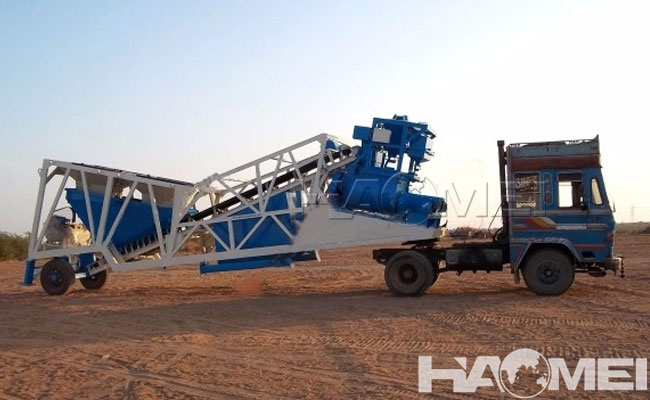 Easy Installation Mobile Concrete Batching Plant
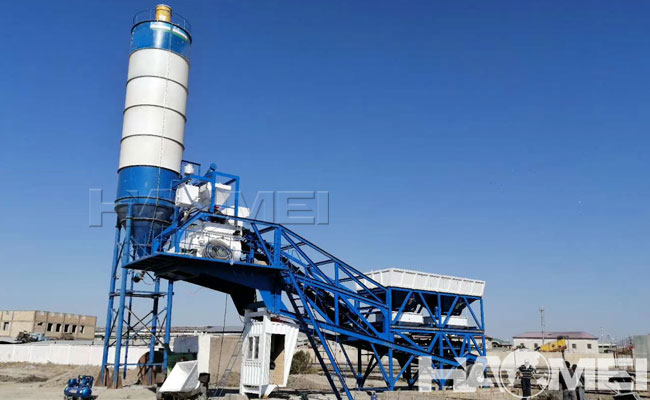 Fast Setup Mini Mobile Concrete Batching Plants
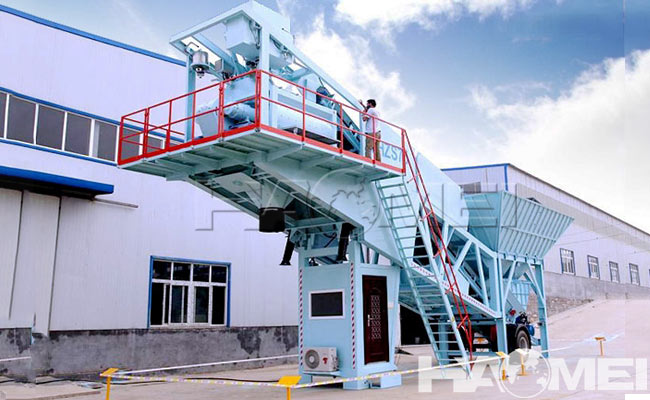 China Mobile Concrete Plant Factory
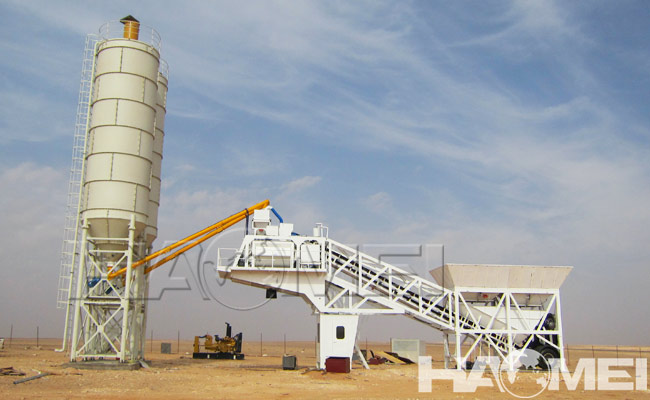 What Are Mobile Concrete Batch Plants?
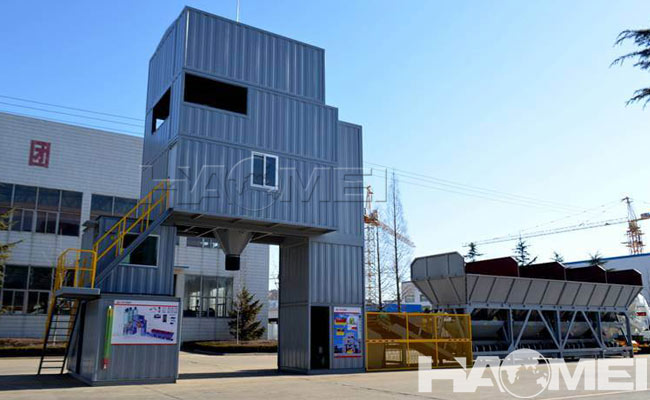 Advantages of Containerized Concrete Batch Plant