

Categories
- Case & News (50)
- Blog (620)
Mainly engaged in concrete mixers, concrete batching plant, mobile or portable concrete mixing plants, and concrete pump and other construction machinery. Configuration and construction method of concrete batching plant. The main points in technological design of concrete batching plant.
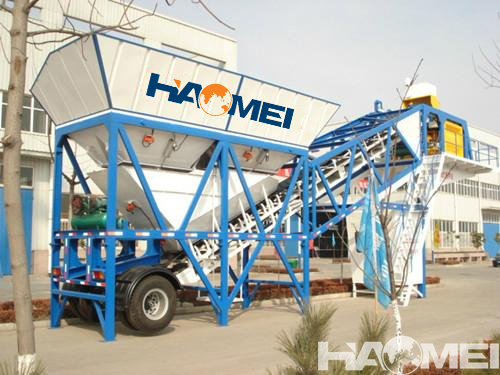
In urban renewal, renovation of aging pipelines, and mountainous ancillary projects, concrete mixing equipment often faces the dilemma of “cannot enter, cannot be placed, and cannot be moved.” Even conventional mobile concrete batching plants, despite their relocation capabilities, are difficult to adapt due to their large overall size. Haomei Machinery’s mobile compact concrete batching plant is not a “downsized version” of …
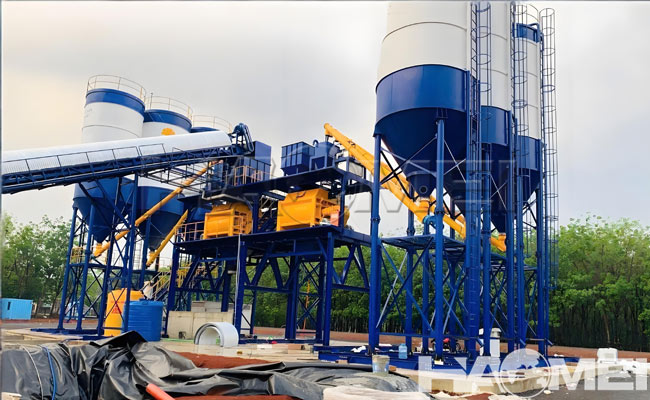
Many people’s understanding of wet type concrete batching plants is still limited to the simple process of “aggregate + powder + water mixing.” In reality, the core value of this type of equipment is never just the “adding water” action, but rather the homogeneity control throughout the entire process—the stability of the water-cement ratio and the uniformity of material mixing directly …
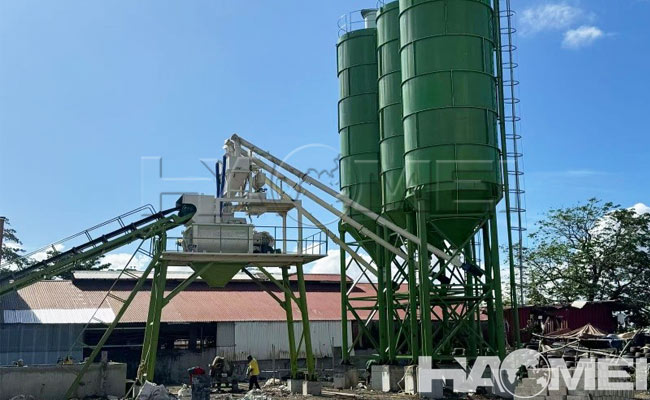
In the traditional understanding of concrete production, wet mix concrete batching plants are always deeply associated with “large commercial concrete plants, centralized production, and long-distance delivery.” Mini wet mix concrete batching plants in the 25-60 m3/h range are often mistakenly seen as “transitional” or “watered-down” versions. However, with the increasing trend of global infrastructure development towards localized areas and project decentralization, …
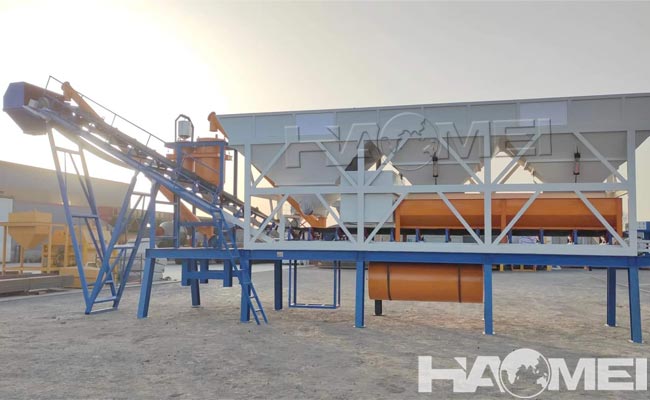
In the global infrastructure market, the application scenarios for dry mix concrete batching plants are extremely diverse: from rainy tropical construction sites in Southeast Asia to dusty desert projects in the Middle East, and remote areas in Africa with unstable power grids. A single standardized product cannot easily dominate all markets. European and American brands often adhere to local design …
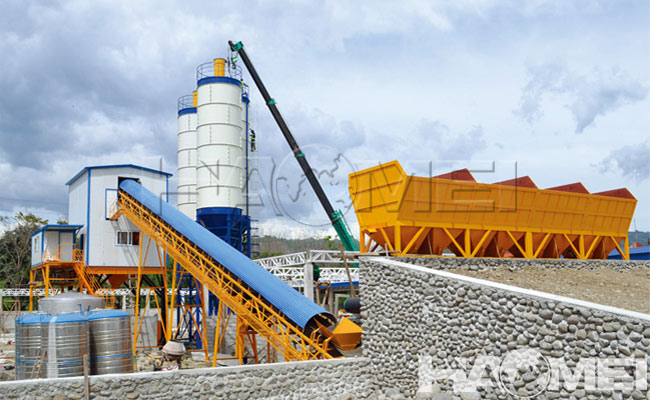
In equipment selection for medium-sized infrastructure projects and county-level commercial concrete batching plants overseas, the 90m3/h belt conveyor concrete batching plant has always been a highly cost-effective “all-rounder”—it avoids the capacity bottleneck of small plants and the investment pressure of large plants, finding a precise balance between capacity scale, operating efficiency, and implementation costs. As a classic high-volume model in Haomei …
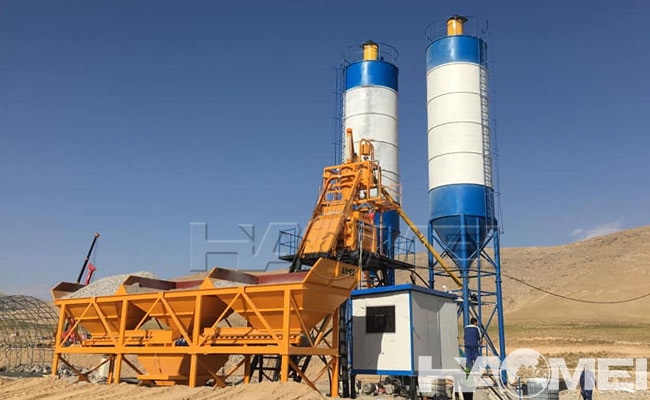
In small and medium-sized infrastructure projects and precast component factories, mini concrete batching plants (25-50 m³/h) are the preferred choice due to their low investment threshold and flexible deployment. However, many customers only focus on the total price when inquiring about prices, ignoring the differences in hardware composition and configuration levels behind the cost. Ultimately, this leads to either frequent …
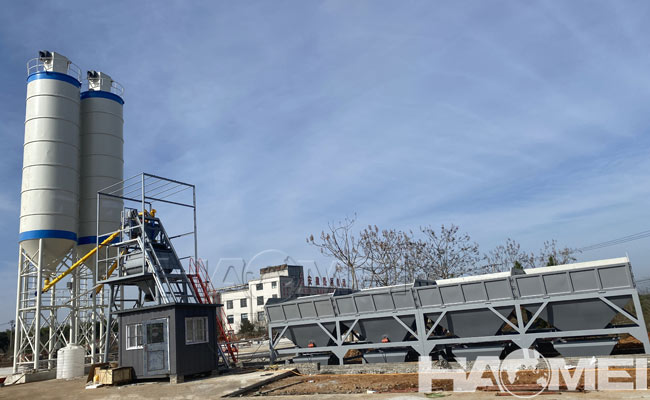
The standardized production of precast concrete components places significantly different demands on mixing equipment compared to on-site engineering plants. It doesn’t require extreme peak capacity, but demands higher requirements for batch mix consistency, homogeneity, and stable feeding rhythm—the strength dispersion and appearance pass rate of precast components are directly linked to the precision of the mixing equipment. For small and …
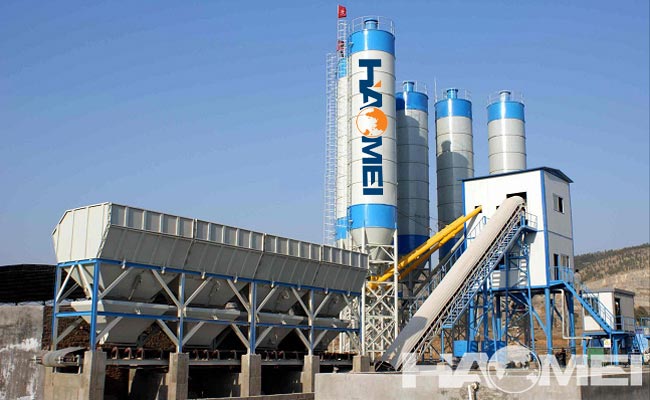
Dust control in concrete batching plants cannot be solved by a single piece of equipment. Dust is generated at multiple points, including powder conveying, aggregate feeding, main mixing, and material transfer. The dust concentration, particle size, and air pressure characteristics vary greatly at different points. Blindly selecting a uniform system often leads to insufficient dust collection at key points and …
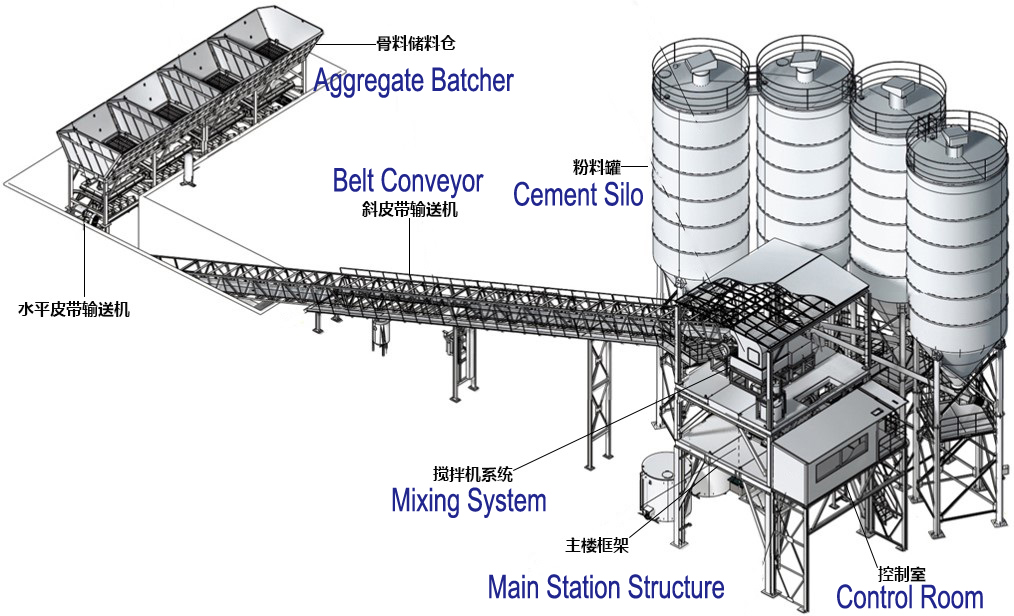
Concrete batching plants are core production facilities for various construction projects, from municipal infrastructure and housing construction to transportation and water conservancy projects. The standardization of the production process directly determines the strength, slump, and homogeneity of the finished concrete, thus affecting the overall project quality. Most fluctuations in concrete quality within the industry are not solely caused by raw …
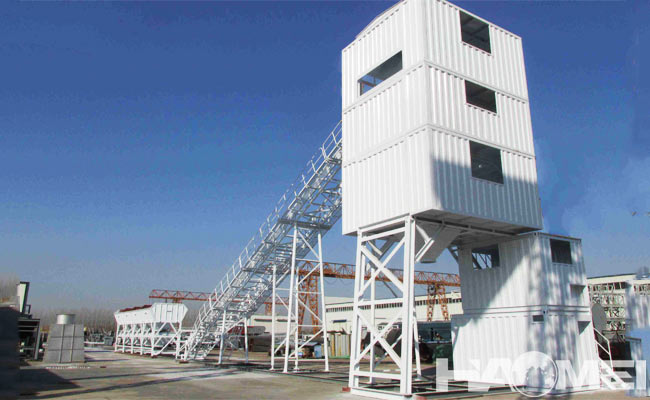
For infrastructure projects, the on-site installation of concrete batching plants is often a key variable determining whether a project can be put into production on schedule. Traditional stationary concrete batching plants rely on complex civil engineering and the assembly of scattered components one by one, resulting in long installation cycles and extremely high requirements for the number and professional skills of …
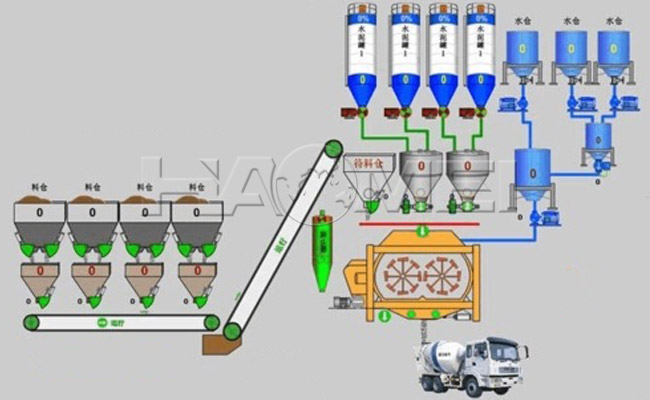
Most people outside the industry are only familiar with the finished product discharge stage of a concrete batching plant and do not understand the production of qualified ready mix concrete, which relies on a standardized, high-precision, automated closed-loop production line system. A concrete batching plant is a modular, complete set of production equipment. From raw material storage and batching to finished product unloading …

With the continued increase in cost reduction demands in the global infrastructure market, the overseas procurement volume of dry mix concrete plants has been rising year by year due to their precise proportioning, flexible deployment, and adaptability to various construction scenarios. For contractors and building material manufacturers, “low-price procurement” does not equate to “cost-effective investment.” The key is to find a …
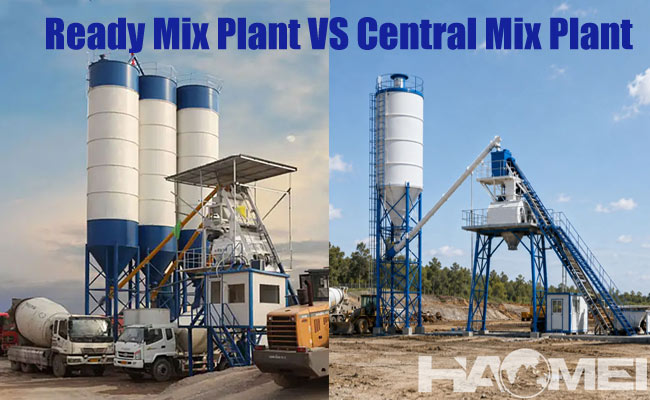 Ready Mix Plant VS Central Mix Plant
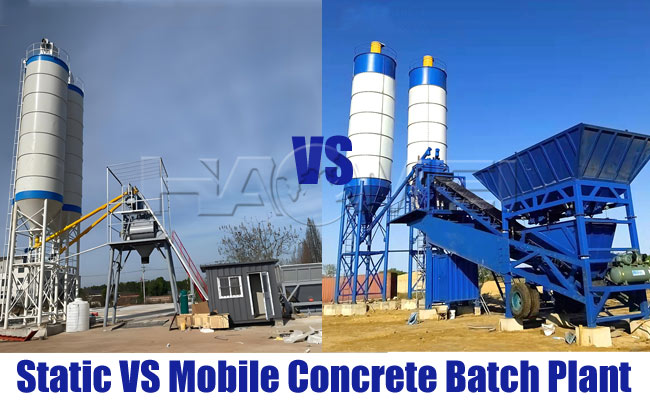 Static VS Mobile Concrete Batch Plant
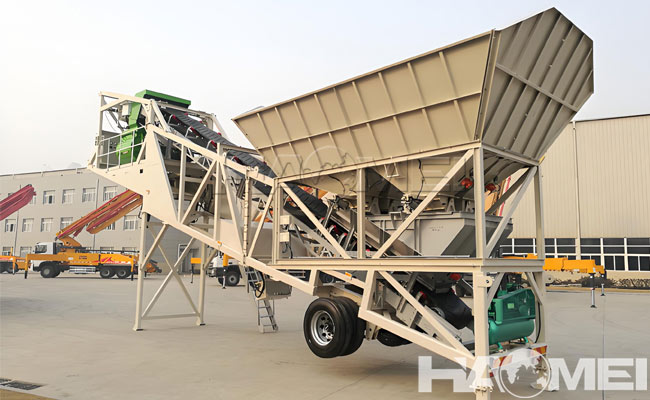 China Mobile Concrete Mixing Plant Manufacturer
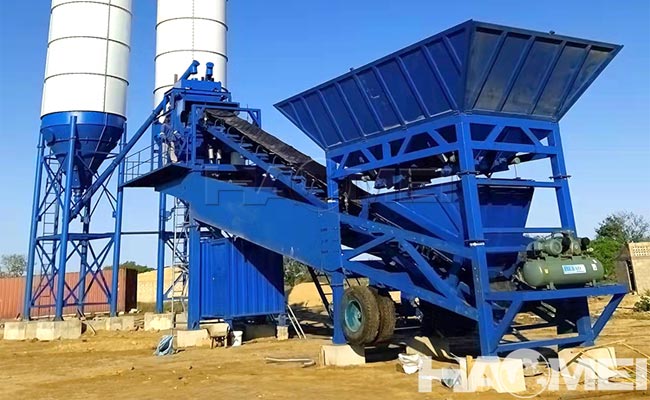 Mobile Wet-Mix Concrete Batching Plant
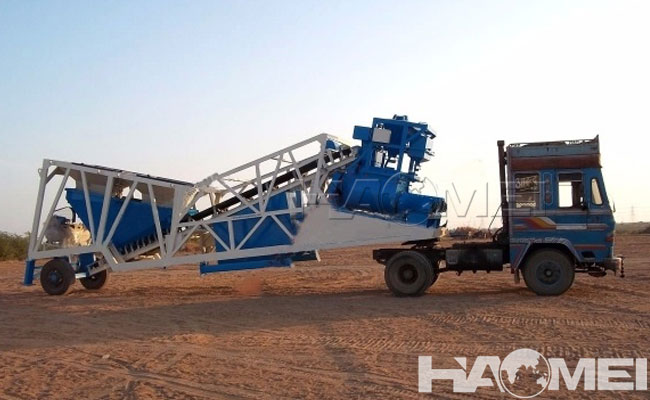 Easy Installation Mobile Concrete Batching Plant